Minecraft map Minecraft · 1.20+ · Java + Bedrock

Trail Ruins Finder

Every trail ruins site in your seed. Archaeology, sniffer eggs, and ancient smithing templates.

Trail Ruins are archaeological sites generated in Minecraft Taiga, Old Growth Taiga, Snowy Taiga, Jungle, and Desert biomes at Y-levels 54 to 57. Excavate suspicious gravel and sand with a Brush to find rare pottery sherds, armor trims, and music discs. Added in Minecraft 1.20 (Trails and Tales update).

Where
Surface (partially buried)
Biome
Taiga / Snowy Taiga / Jungle
Loot
Sniffer Egg · Smithing Templates · Pottery Sherds
Danger
None
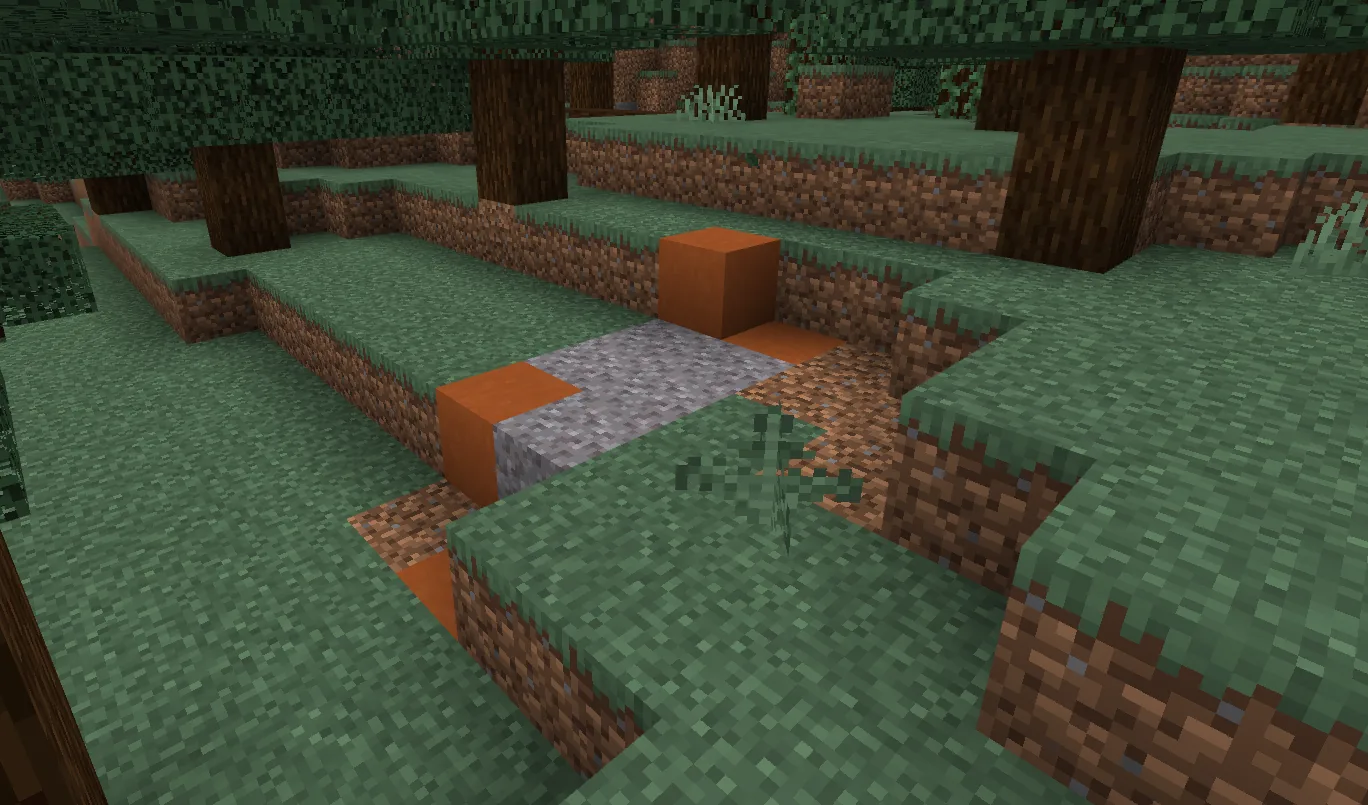
A Minecraft trail ruins stone structure partially buried in dirt with suspicious gravel waiting to be brushed
Jump to:
🏠
Village
🏛️
Stronghold
🏗️
Monument
⛩️
Temple
🏚️
Mansion
X: 0   Z: 0   |   -   |   Seed: -
Overworld — Java 1.21.4

Trail Ruins Found

Sorted by distance from 0,0

Enter a seed to find structures

Save Your World Map

Create a free account to save custom markers, track explored structures, and share your world.

Trail ruins are buried archaeological structures in Minecraft containing suspicious gravel blocks with pottery sherds, armour trim smithing templates and other unique archaeology items. The SeedLander Minecraft Trail Ruins finder shows you where every Trail Ruins structure generates across a wide radius in your world, since these structures are almost entirely hidden underground.

Excavating Trail Ruins with the brush tool reveals hidden items in suspicious gravel without destroying the blocks. These structures are the primary source of pottery sherds for decorated pots and contain exclusive armour trims. Enter your seed to find every Trail Ruins on both Java and Bedrock editions.

Trail ruins have zero visible surface indicators, making them impossible to find without either coordinates or random digging in the right biomes. They generate 5 to 10 blocks below the surface in taiga, snowy taiga, old growth forests, and jungle biomes. The Minecraft Trail Ruins finder removes the randomness entirely by showing you exactly where to dig.

Archaeology in Minecraft is a peaceful and methodical activity that offers a different pace from combat-oriented structures. Each suspicious gravel block takes several seconds to brush, revealing pottery sherds, emeralds, and other hidden treasures. Collecting all available sherd patterns requires visiting multiple Trail Ruins, making the finder essential for completionist players.
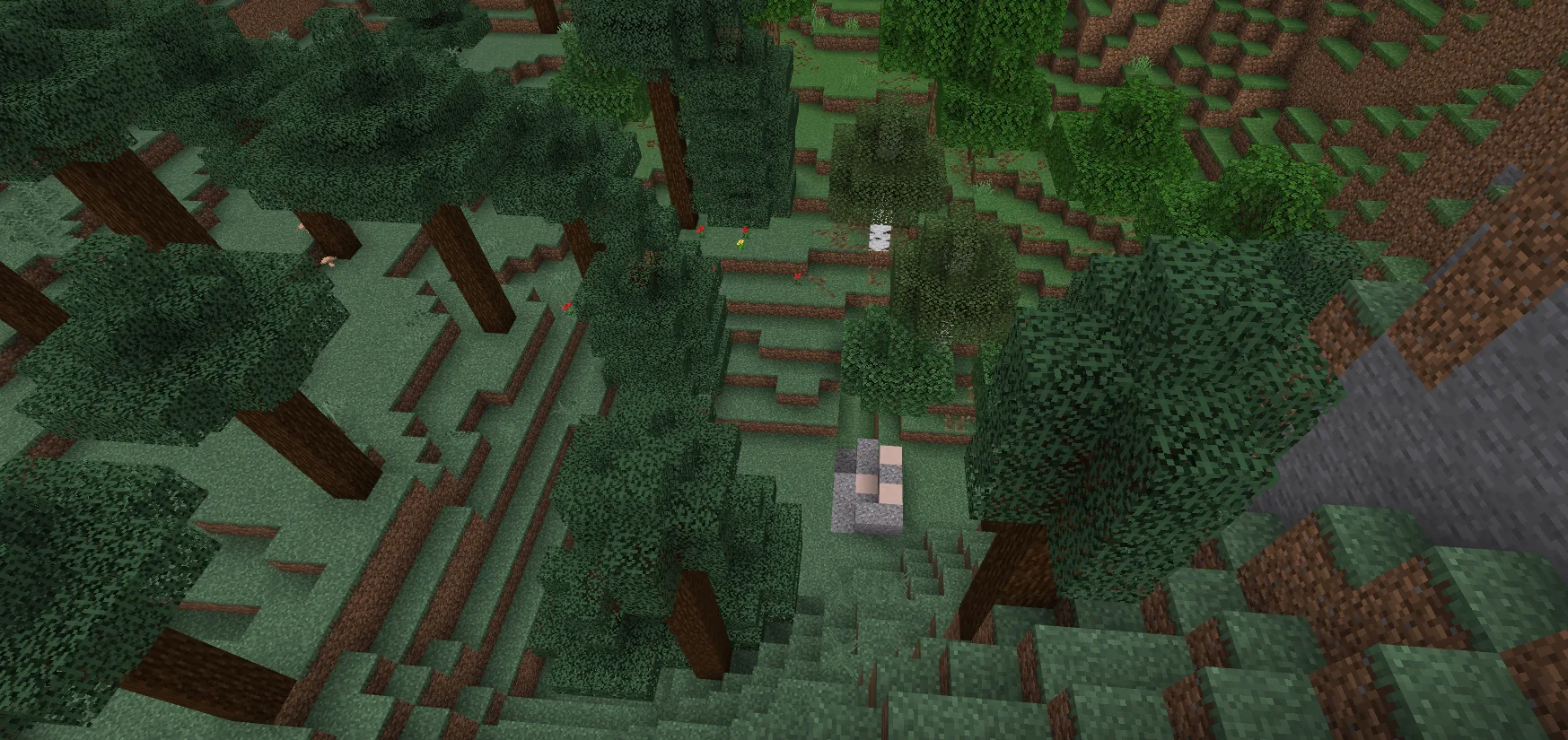
A wide in-game shot of a Minecraft trail ruins site partly buried in a taiga forest

Frequently Asked Questions

How Trail Ruins Work in Minecraft

Trail ruins are the oldest-feeling structure in the game — fragments of stone paths, broken walls, and scattered gravel and dirt sitting quietly in taiga, old-growth and jungle forests. There's no fighting involved, no chests to loot the usual way. Instead, you pull out a brush and slowly reveal what's hidden in the gravel and dirt patches underneath.

The finder above shows every Trail Ruin in a wide radius of your seed. Pop your seed in, pick your edition and version, and the pins will point you straight at the next dig. Each ruin has a handful of "suspicious" blocks that reward patient brushing with music discs, smithing templates, and pottery sherds you can turn into decorated pots back at base. To see which Trail Ruins sit in taiga vs jungle vs old-growth biomes, open the full Seed Map.

A top-down view of a Minecraft trail ruins layout — partly-buried stone bricks with suspicious gravel patches
What a trail ruin looks like up close — partly-buried stone bricks with patches of suspicious gravel waiting for a brush.

Before You Start Brushing

A quick rundown of what makes Trail Ruins different from every other structure — and why the brush actually matters.

  • Where they spawnTrail Ruins generate in taiga, old-growth taiga, old-growth pine taiga, old-growth birch forest, snowy taiga and jungle biomes. Occasionally one will spawn right on the edge where those biomes meet another, which is a good visual marker if you're scanning by foot.
  • How to lootNo chests. Trail Ruins have suspicious gravel blocks scattered throughout the buried structure (suspicious dirt isn't a block in the game — only gravel). Brush each one with a Brush item and the animation reveals a single hidden drop per block.
  • Tool you needYou'll need a brush — crafted from a feather, a stick and a copper ingot at any crafting table. Brushes have low durability and tend to wear out before you finish a single ruin, so bring two or three with you.
  • VersionTrail Ruins were added in the 1.20 Trails & Tales update and are present in every Java, Bedrock and Large Biomes world on 1.20 or later.
  • DangerThe ruin itself poses no danger — there are no mobs spawning inside or any traps. The surrounding biome is a different story though, especially taiga at night, so keep an iron sword on your hotbar for the walk in and out.

What the Brush Reveals

Trail ruins are the only reliable source in the game for several items. That's what makes the quiet brushing worth it — you're chasing collectibles you genuinely can't get any other way.

Found only here (or nearly)

  • Relic Music Disc — exclusive to Trail Ruins, a haunting track only this structure drops.
  • Wayfinder, Raiser, Shaper and Host Armour Trim Smithing Templates — four decorative trim templates, all exclusive to Trail Ruins.
  • Trail Ruins-exclusive pottery sherds — Burn, Danger, Friend, Heart, Heartbreak, Howl and Sheaf. None of these drop anywhere else.

Common drops

  • Emeralds, iron nuggets, wheat seeds and various dyes turn up as filler loot.
  • String, beetroot seeds, leather and occasional saddles add up over a full dig.
  • Decorative blocks like bricks and cracked bricks are worth keeping for builds.

How to Dig a Ruin Without Missing Anything

Trail ruins are bigger than they look. The gravel and dirt path can stretch a long way from the visible stone, and missing a few suspicious blocks means missing rare drops. Here's a reliable pattern to clear one properly.

  1. Get a view from above before you start. Trail Ruins are mostly buried — what you see at ground level is just the tops of broken stone walls and patches of mossy bricks. Climb a nearby tree, pillar up with a stack of dirt, or stand on a hillside and look down — the full path outline of the ruin reveals itself, and you can spot where the suspicious gravel and dirt patches sit relative to the visible stonework.
  2. Walk the whole ruin once before brushing anything. Suspicious Gravel blocks have a slightly speckled texture compared to normal gravel — easy to miss if you're not looking, and they're the only suspicious block Trail Ruins uses (suspicious dirt isn't a real block). Walk the full layout first and mentally tag every suspicious patch you spot. They cluster near broken floors, corners and doorways, and a single ruin can hold 30 to 60 of them.
  3. Brush each suspicious block slowly with a Brush. Brushes are crafted from a feather, a stick and a copper ingot at any crafting table — bring two or three because they wear out fast. Hold right-click and let the brushing animation play all the way through. Stopping early cancels the drop, so be patient and watch the dust particles until the item pops out.
  4. Pick up everything, even the bits that look like junk. Wheat, clay balls, sticks, tuff and dyes look like filler, but the seven Trail Ruins-exclusive pottery sherds (Burn, Danger, Friend, Heart, Heartbreak, Howl and Sheaf) can only drop here. You need four sherds — any combination, placed around a brick in the crafting grid — to craft a Decorated Pot, and certain themed pots require specific sherd combinations you can only get from this structure.
  5. Save a brush for the outer ring of the ruin. The visible stonework is only the centre of the structure — the buried path usually extends well beyond it in a curving shape, and most first-time visitors stop brushing once the obvious walls run out. Walk a full lap around the perimeter, looking for stray suspicious patches in the surrounding biome. There's often an extra 20–30% of loot waiting beyond what looks like the "edge".

Pair It With Pottery and Archaeology

If you're leaning into the archaeology side of the game, trail ruins pair nicely with ocean ruins — different aesthetic, similar "brush suspicious blocks" loop, and between the two you'll complete most of the pottery sherd set. Desert temples also have a small amount of suspicious sand in their buried chambers. Want the full overview? The map with all three toggled on shows you a whole afternoon's worth of runs.

Track your archaeology finds

Creating a Free World on SeedLander shows every Trail Ruins across a wide radius in your seed. You can also add custom markers and portals for the spots that matter to you.

Premium World (£1.99/mo per world, first 14 days free) lets you mark dug ruins and note which pottery sherds and templates you've pulled, add unlimited custom map markers and portals, and share routes with your team mates (with our team addon).