 Diamond Ore
 Ancient Debris
 Emerald Ore
 Lapis Lazuli
 Gold Ore
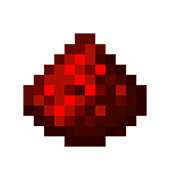 Redstone Ore
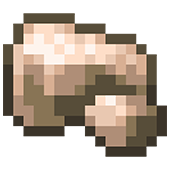 Iron Ore
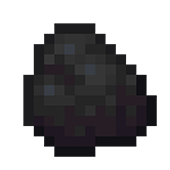 Coal Ore
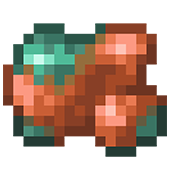 Copper Ore
Best Y-level for diamonds in Minecraft 1.21
Diamond ore peaks at Y −59 on both Java and Bedrock. The full range is Y 16 down to bedrock (Y −64), but the chance scales the deeper you go. Y −58 is often the sweet spot — one block above the irregular bedrock layer at the bottom — where you can run a long tunnel without bedrock interruptions. Bring a torch every six blocks (the cap distance for hostile mob spawns to fail behind you) and a water bucket for emergency lava saves.
Ore distribution by Y-level (Java & Bedrock)
The 1.18+ generation rules give every ore a peak Y-level and a falloff range either side. The numbers below are the same on Java and Bedrock; it’s the noise placement, not the rules, that differ between editions.
- Diamond: Y −58 to −54 (peaks Y −59). Try strip-mining at Y −58.
- Iron: Two peaks — Y 16 (mid-layer caves) and Y 232 (mountain tops). Iron is one of the few ores worth chasing above sea level.
- Gold: Y −16 (peaks). Significant bonus spawns in Badlands biomes — up to Y 79 there.
- Lapis: Y 0 (peaks). Falls off either side; rare above Y 64.
- Redstone: Y −58 and below (peaks Y −63). Strip-mining at the same level as diamond gives you both.
- Copper: Y 48 (peaks). Dripstone caves get extra copper, so look for pointed dripstone above the spot.
- Emerald: Y 232 in Mountain / Hills biomes only. Will not spawn anywhere else — check biome first with the Seed Map.
- Coal: Y 96 (peaks) for the main band; rare deep-coal layer near Y −33.
- Ancient Debris: spawns throughout the Nether, but highest concentration Y 8–22 (peaks Y 15). Needs a diamond pickaxe minimum.
Java vs Bedrock: same rules, different placement
Both editions follow the same Y-level peaks and biome rules listed above. What differs is the underlying noise the game uses to decide where each vein actually lands. That’s why a Java seed and a Bedrock seed of the same number generate different worlds — and why the edition dropdown above has to match the game you’re actually playing.
One Bedrock-specific quirk worth knowing: dripstone caves (where copper concentrates) generate slightly differently, so the copper finder is a touch noisier on Bedrock than on Java.
Tips for efficient mining
- Strip-mine at the peak Y-level. Y −58 covers diamond and redstone simultaneously.
- Branch every three blocks. Ore veins are 4-block clusters max; a 3-wide branch pattern catches everything without wasting tunnels.
- Carry a water bucket. Pouring water onto lava blocks turns them into obsidian or cobblestone — and saves you from a lava death.
- Pre-plot routes. Use the finder to pick the densest cluster within a few hundred blocks of your base, then dig straight there instead of randomly.
Find ores, structures and biomes with one seed
Once you’ve found a vein you like, switch to the Seed Map to see the structures and biomes around it — great for picking a base location near both diamonds and a village or stronghold. Both tools share the same seed input so you don’t need to retype anything.