Minecraft map Minecraft · 1.13+ · Java + Bedrock

Ocean Ruin Finder

Every sunken ocean ruin in your world. Fast treasure maps pointing to buried treasure.

Ocean Ruins are underwater structures at Y-levels 30 to 60 in Ocean biomes. Loot chests contain Buried Treasure maps, gold, iron, gunpowder, and enchanted books. Ruins come in warm (sandstone) and cold (stone brick) variants matching their ocean biome.

Where
Underwater (Y 30 to 64)
Biome
All oceans
Loot
Treasure Maps · Emeralds · Gold
Danger
Drowned
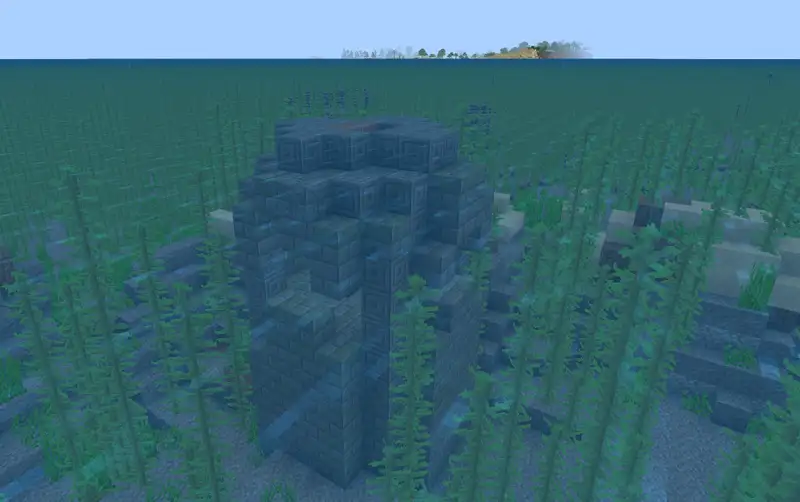
Underwater ocean ruin made of cracked stone brick at the seabed
Jump to:
🏠
Village
🏛️
Stronghold
🏗️
Monument
⛩️
Temple
🏚️
Mansion
X: 0   Z: 0   |   -   |   Seed: -
Overworld — Java 1.21.4

Ocean Ruins Found

Sorted by distance from 0,0

Enter a seed to find structures

Save Your World Map

Create a free account to save custom markers, track explored structures, and share your world.

Ocean ruins are underwater structures found throughout Minecraft’s oceans, offering loot chests, buried treasure maps, and atmospheric exploration. The SeedLander Minecraft Ocean Ruin finder shows you where every ruin generates across a wide radius in your seed so you can dive with purpose.

Ocean ruins come in cold and warm variants depending on the ocean biome, built from stone bricks or sandstone respectively. They range from small single-building ruins to large clusters resembling underwater villages. Enter your seed to locate every Ocean Ruin on both Java and Bedrock editions.

Large Ocean Ruin clusters are particularly rewarding because they contain multiple chests and drowned mob spawns. For Bedrock Edition players, drowned near Ocean Ruins can drop tridents and nautilus shells — two of the most valuable mob drops in the game. This makes Ocean Ruins doubly useful as both loot sources and farming locations.

The Minecraft Ocean Ruin finder helps you identify the richest underwater exploration zones. Focus on large ruin clusters in deep ocean biomes for the most chests per dive and the highest drowned spawn density. Combine Ocean Ruin exploration with shipwreck hunting and buried treasure digging for comprehensive coastal expeditions.
Minecraft Ocean Ruin finder showing underwater ruin locations and coordinates on the SeedLander map

Frequently Asked Questions

How Ocean Ruins Work in Minecraft

Ocean ruins are small, scattered stone buildings on the floor of any ocean. Tucked into sand and gravel, patrolled by drowned, with one or two chests inside and a handful of suspicious blocks you can brush for pottery sherds. They're the "medium difficulty ocean stop" between shipwrecks (easy) and monuments (hard) — always worth a quick detour.

The finder above shows every Ocean Ruin in a wide radius of your seed. Pop your seed in, pick your edition, and the pins land on each one. Warm oceans get sandstone-style ruins; cold oceans get stone-brick ones. Same loot, different aesthetic. Open the full Seed Map to see Ocean Ruins alongside Shipwrecks and Buried Treasure for a complete coastal run.

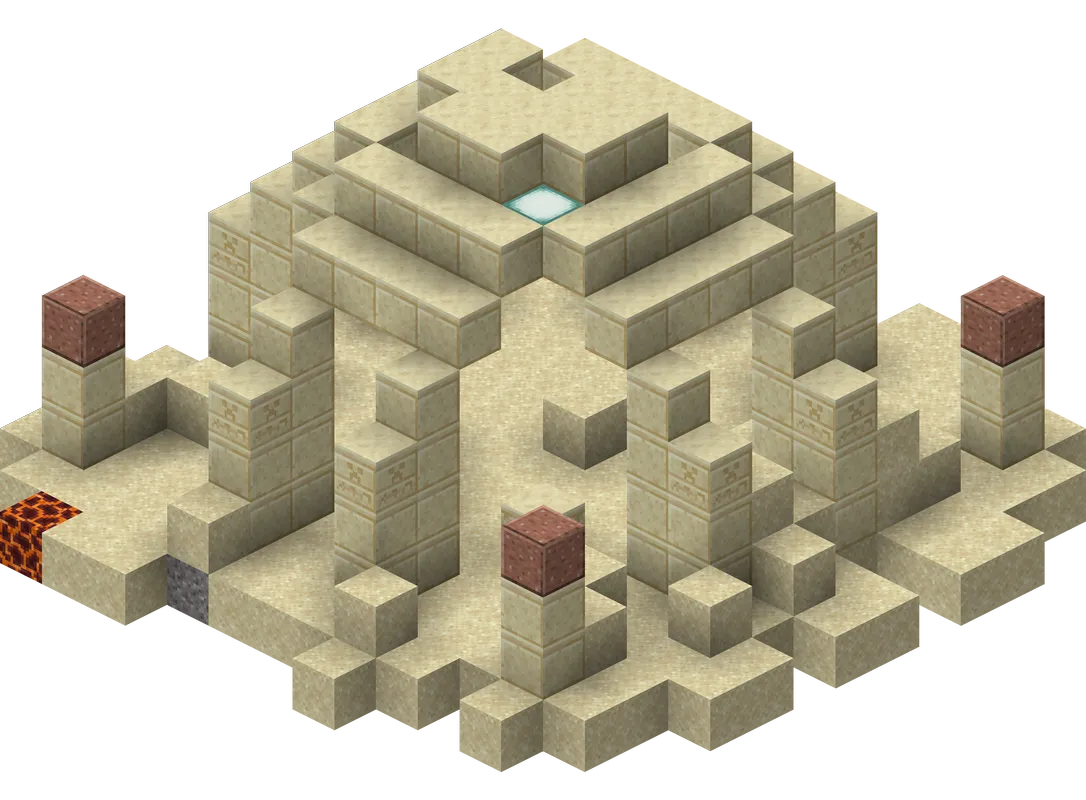
A close-up of a Minecraft Ocean Ruin building partly buried in seabed sand
Up close — buried suspicious blocks beside each ruin hide pottery sherds, emeralds and enchanted books when brushed.

What to know about Ocean Ruins

  • Warm vs ColdWarm and lukewarm oceans generate sandstone ruins in a yellow-beige palette, while cold and frozen oceans produce stone-brick ruins in grey. The loot tables are nearly identical between the two — only the visual style changes.
  • SizeOcean Ruins range from single-room "cottages" up to multi-building complexes that almost feel like sunken villages. The bigger sites contain three or four chests and are well worth the longer dive.
  • DrownedA small number of drowned spawn around each ruin. The ones holding tridents are the real threat — they can throw their spear from a distance and hit you for serious damage even before you've closed in.
  • Brushable blocksEach ruin contains two or three patches of suspicious sand or gravel. Brushing them with a brush item turns up pottery sherds (some exclusive to ocean ruins) and the occasional emerald or iron, so they're always worth a few seconds of brushing.
  • Buried ruinsSome Ocean Ruins are almost entirely hidden under sand or gravel. Bring a shovel and dig around the pin location — these half-buried ruins often have untouched chests, since most casual explorers swim straight past them.

What's in the Chests

Notable pulls

  • Treasure map — points at the nearest buried treasure chest. Especially useful if you haven't found one yet.
  • Enchanted fishing rod, enchanted books, plus Angler, Shelter and Snort pottery sherds from warm-ocean ruins (or Blade, Explorer, Mourner and Plenty from cold-ocean ones).
  • Emeralds, iron ingots and the occasional gold ingot.

Common drops

  • Cooked salmon, cooked cod, rotten flesh, wheat seeds.
  • Coal, stone tools, and a random selection of small decorative pieces.
  • Bamboo and sugar cane from warmer ruins.

How to loot a ruin

  1. Approach with Respiration on your helmet and Depth Strider on your boots. Respiration (an enchant from chest loot or villager trades) extends how long you can hold your breath underwater — Respiration III gives you roughly 45 seconds before drowning damage starts. Depth Strider on boots removes most of the underwater movement penalty so you can walk along the seabed at near-normal speed. A Trident with the Loyalty enchant is the perfect ranged underwater weapon because it returns to your hand after every throw.
  2. Take out the Drowned mobs before you start looting. Drowned are zombie variants that spawn in oceans and around ruins. The ones holding a Trident are the priority — they throw the trident at you from off-screen and a single hit takes off several hearts even with iron armour. Sprint behind a wall or pillar to break line of sight, then circle around and close in for melee. The non-trident Drowned are slow and can be ignored until you've dealt with the dangerous ones.
  3. Sweep the ruin for chests. Most Ocean Ruins have one or two loot chests, but the bigger multi-building ruins can hide three or four. Look under staircases, inside half-collapsed walls, and in any small outer rooms that don't obviously connect to the main building — these are the easiest to miss. The buried-treasure map (when it appears) usually sits in the deepest chest of the ruin.
  4. Brush every suspicious sand or gravel block you can find. Each ruin generates a handful of suspicious blocks — warm ruins use Suspicious Sand, cold ruins use Suspicious Gravel. Right-click them with a Brush (crafted from a feather, copper ingot and stick) and they slowly reveal pottery sherds, emeralds and iron. The ocean-ruin exclusive sherds are Angler, Shelter and Snort (warm biome) and Blade, Explorer, Mourner and Plenty (cold biome) — you need four sherds to craft a Decorated Pot, so collect them all even if you only want to display one.
  5. If the ruin chest contains a Treasure Map, follow the X straight away. The map points at the nearest Buried Treasure chest — usually within a few hundred blocks of the ruin. Buried treasure always contains a Heart of the Sea (used to craft a Conduit), so cashing the map in on the same trip turns one ruin run into both pottery and Conduit progress.

Build a full ocean circuit

Ocean ruins, shipwrecks, buried treasure and ocean monuments together form the full "ocean circuit" — a complete route that nets you Heart of the Sea, nautilus shells, a conduit, treasure maps and sponges. A few evenings' worth of play can make it feel like you've properly inhabited the sea.

Map your coastal stops

Creating a Free World on SeedLander shows every Ocean Ruin across a wide radius in your seed. You can also add custom markers and portals for the spots that matter to you.

Premium World (£1.99/mo per world, first 14 days free) lets you tick off looted ruins and log the pottery sherds you've collected, add unlimited custom map markers and portals, and share routes with your team mates (with our team addon).