Every buried treasure chest in your world, pinpointed. Free heart of the sea for your conduit.
Buried Treasure chests are surface structures buried on Minecraft beaches at Y-levels 45 to 60. Each holds a Heart of the Sea (used to craft a Conduit), plus diamonds, iron, gold, and enchanted books. Locate them using treasure maps from Shipwrecks and Ocean Ruins.
Buried treasure chests are the only source of the Heart of the Sea in Minecraft, making them essential for crafting conduits. The SeedLander Minecraft Buried Treasure finder tells you exactly where every Buried Treasure generates across a wide radius in your world — no treasure map required.
Normally, finding Buried Treasure requires locating a shipwreck or ocean ruin, looting the map chest inside to pull a treasure map, then following it to the approximate area and digging around hopefully. The SeedLander Buried Treasure finder skips all of that by giving you precise coordinates directly from your seed. Enter your seed and go straight to the chest on both Java and Bedrock editions.
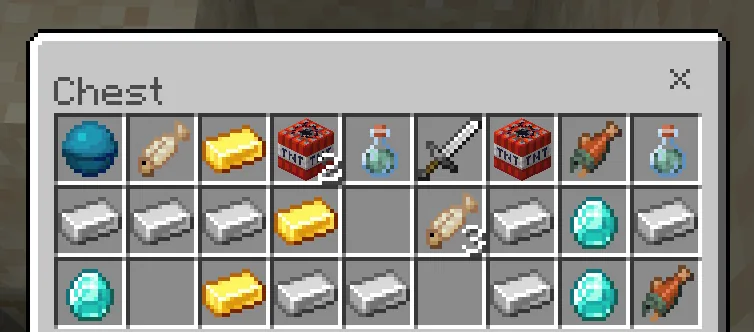
Every Buried Treasure chest contains exactly one Heart of the Sea alongside reliable gold and iron, a strong chance of diamonds (roughly 60% per chest), emeralds, prismarine crystals, a water breathing potion, and a handful of TNT. The Heart of the Sea is used to craft a conduit — one of the most powerful utility blocks in the game. A conduit grants water breathing, night vision, and damages hostile mobs in a radius around it, making it essential for any serious underwater work including ocean monument raids and underwater base building.
The Minecraft Buried Treasure finder is one of the most precise tools available because Buried Treasure always lands in a predictable spot on a beach. That means SeedLander can point you right at the block you need to dig, every single time.
Frequently Asked Questions
Every Buried Treasure chest is guaranteed to contain a Heart of the Sea — the standout drop and the only way to get one in the entire game. Alongside that you'll reliably pull iron and gold ingots, emeralds, a strong chance of diamonds (~60% per chest), a Potion of Water Breathing, prismarine crystals, cooked fish and a few TNT. Useful early-game survival loot with a genuinely standout item on top.
Buried treasure chests land a few blocks below the surface in sand or gravel on beaches. The finder pins the exact spot, so you won't have to dig around blindly.
Not with SeedLander. The Minecraft Buried Treasure finder shows you exact coordinates for your seed. Treasure maps point to the same locations but require finding a shipwreck first.
A conduit is crafted from a Heart of the Sea and eight nautilus shells. When activated underwater with prismarine, it grants water breathing, night vision, and damages hostile mobs.
Buried treasure typically generates on beaches and coastlines. Rarely, terrain generation places them slightly inland or underwater.
How Buried Treasure Works in Minecraft
Buried treasure is one of the friendliest structures in the game to go looking for. There's nothing guarding it, no mobs to fight off, no traps to disarm — just a chest tucked a few blocks under the sand or gravel on a beach, waiting to be dug up. The catch is finding it in the first place, because beaches are huge and the chest doesn't leave any obvious surface marker.
Normally you'd need to stumble across a shipwreck first, loot the map chest at the back for a treasure map, and then sail around following the "X marks the spot" dotted line. It works, but it's slow. The finder above skips straight to coordinates — pop your seed in, pick your edition, and every buried chest across a wide radius appears on the map. Click a pin, grab the X/Z, and you're there. For a coastal run that combines treasure chests with shipwrecks and ocean ruins on the same screen, open the full Seed Map.
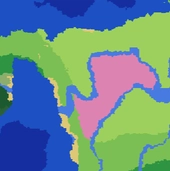
Buried treasure chest — always one per chunk, usually under a beach.
Before You Dig
A few quick facts that make the hunt far less frustrating once you're actually at the coordinates:
Where it spawnsBuried treasure chests sit under Beach and Snowy Beach biomes on Java. Bedrock adds Stony Shore as a third valid biome, so Bedrock players will occasionally find one tucked under a pebble-and-stone coastline too. The finder pins each chest to the exact block in your seed so you don't spend ages shovelling blindly through sand.
How deepMost chests sit two to four blocks beneath the surface sand or gravel. On steeper coastline terrain the generator can bury them deeper, so if your shovel hasn't hit the chest in the first few blocks, keep digging — it's rarely more than ten blocks down.
HeightsThe chest follows the surface of the beach it's placed under, so the actual Y value depends on how tall or low that chunk of coastline is. The finder pins the X and Z precisely — dig straight down from the marker with a shovel and you'll hit the sand cap in a few seconds.
ToolsA stone or iron shovel with Efficiency does the job nicely. There's nothing fancy needed for the trip itself — no Warden, no piglins, no time pressure, just a few minutes of digging once you're at the pin.
Minecraft versionBuried treasure was added in the 1.13 Update Aquatic and has been present in every Java, Bedrock and Large Biomes world since then.
The Real Prize: Heart of the Sea
The thing that makes Buried Treasure more than "a few diamonds and some cooked fish" is the Heart of the Sea. Every chest has exactly one, and it's the only way to get one in the entire game — you cannot craft it, cannot trade for it, cannot find it anywhere else. That rarity is what makes the finder actually useful: if you want multiple conduits, you need multiple hearts, and you need to know where every beach chest is.
The Heart of the Sea crafts into a Conduit
Surround one Heart of the Sea with eight nautilus shells. Activate it inside a prismarine frame underwater and it grants every nearby player water breathing, underwater night vision, and extra mining speed — plus it damages hostile mobs. It's the single best quality-of-life block for any aquatic build.
1x Heart of the Sea + 8x Nautilus Shell
Nautilus shells drop from drowned mobs with a trident, and you can also fish them up or buy them from wandering traders. The shells are the easy half of the recipe — the Heart is the rare half, and this finder exists so you don't have to rely on shipwreck luck to get it.
What Else Is in the Chest
Alongside the Heart of the Sea, every chest rolls a handful of random loot from a generous table. You won't always hit the jackpot, but the drops are consistently useful for early-to-mid game survival.
Always in every chest
Heart of the Sea — the whole reason you came. Every single Buried Treasure chest guarantees exactly one.
What else commonly rolls
Iron ingots (1-4) and gold ingots (1-4) — handy top-ups if you haven't set up a proper mine yet.
Diamonds (1-2) — genuinely nice to pull before you've committed to deep mining.
Emeralds, TNT, cooked salmon and cooked cod — lighter drops but always welcome on a survival run.
Prismarine crystals, leather armour, and iron swords show up occasionally too.
Planning a Coastal Run
Buried treasure gets much more efficient when you pair it with the rest of the ocean-structure finders. A single trip along a coastline can hit shipwrecks, ocean ruins and buried chests all in one outing if you plan the route on the map first. It also gives you an excuse to fish up a handful of nautilus shells along the way, so by the time you're back at base you've got everything you need for a conduit.
Open the SeedLander map and pin Shipwrecks, Ocean Ruins and Buried Treasure together. Buried Treasure rarely sits alone — the same coastlines that generate beach chests also produce Shipwrecks (which contain extra Heart of the Sea, treasure maps and emeralds) and Ocean Ruins (which drop suspicious sand for archaeology). Toggling all three at once shows you which stretch of coastline gives the most stops per minute of travel.
Pick a coastline run of five to ten pins and plan a boat route between them. Boats travel much faster across water than walking along the beach, and you can pull them onto land at each stop. If you have a pair of boots enchanted with Depth Strider (an enchant from chest loot or villager trades that makes you walk through water at near-normal speed), bring them — chasing Drowned mobs underwater for Nautilus Shells along the way is far quicker than swimming.
At each buried-treasure pin, dig straight down with a shovel. Most chests sit two to four blocks beneath the surface sand or gravel — close enough that a stone shovel finds them in under a minute. The chest itself looks like a regular oak chest in a small pocket of air, sometimes alongside a single suspicious gravel block. If the first hole comes up empty, widen the dig outwards by a block or two before going deeper.
Before you sail on, check any nearby Shipwrecks for extra Nautilus Shells. A Shipwreck has up to three loot chests — the map chest at the back (containing the buried treasure map and often a Heart of the Sea), the supply chest amidships, and the treasure chest at the front. Nautilus Shells frequently appear in the map and treasure chests and you need eight of them plus a Heart of the Sea to craft a Conduit.
Back at base, build the Conduit frame. Surround the activated Conduit with a 3×3×3 prismarine frame (use any combination of prismarine, prismarine bricks, dark prismarine or sea lanterns) and the Conduit will start glowing. Inside its range you get Water Breathing, Night Vision underwater and a Haste-style mining boost — perfect for clearing an Ocean Monument or running a long underwater build with no potions needed.
If you're on an SMP, Premium world tracking lets you mark each treasure as dug up so teammates don't retrace the same coastline — a bigger quality-of-life win than it sounds once you've got 20+ pins to coordinate.
Where Else Can I Read About This?
The Minecraft Wiki's Buried Treasure entry is the authoritative source for loot tables and version history. For the crafting side, the Conduit page covers activation frames and exact range mechanics. And if you've never set one up before, the ocean monument finder is a natural follow-up — conduit power turns monument raids from a slow slog into a genuinely fun afternoon.
Frequently Asked Questions
Every chest is guaranteed to have one Heart of the Sea — that's the big one, and the real reason to dig. Alongside that you'll usually pull a mix of iron, gold, the occasional diamond, emeralds, cooked fish and some TNT. Decent survival loot with a standout item.
On the surface, Buried Treasure sits a few blocks under a beach or stony shore, typically 2 to 4 blocks deep in sand or gravel. The finder shows you the exact spot for each chest in your seed so you don't have to guess.
Not with this finder. The in-game maps from shipwrecks point to the same chests, but they're fiddly — you have to find the shipwreck first, and the map only shows the nearest treasure. The finder above shows every treasure in a wide radius so you can plan a whole coastal run in one go.
One Heart plus eight nautilus shells crafts a Conduit. Drop that into a prismarine frame underwater and it gives every nearby player water breathing, night vision and faster mining — brilliant for building or for raiding an ocean monument. It's a genuinely game-changing block for aquatic projects.
The vast majority show up on beaches or stony shores, but the world generator can occasionally place a chest slightly inland or underwater — it depends on what the surrounding terrain looked like when the chunk was generated. The finder plots the real chest position either way, so just follow the pin.
Related Minecraft finders
Structures that pair naturally with a buried-treasure run.
Creating a Free World on SeedLander shows every Buried Treasure across a wide radius in your seed. You can also add custom markers and portals for the spots that matter to you.
Premium World (£1.99/mo per world, first 14 days free) lets you save a marker for every chest you've dug and plan your next coastline sweep, add unlimited custom map markers and portals, and share routes with your team mates (with our team addon).
SeedLander uses essential cookies to keep the site running, plus optional analytics and advertising cookies to improve the experience and pay our bills. You can change your choice any time using the cookie icon in the bottom-left corner. Full details in our Cookie Policy.
Cookie preferences
Choose which optional cookies you want to allow. Essential cookies are always on because the site doesn’t work without them.
Essential
Always on
Keeps you logged in, holds your session, remembers your cookie choice. The site doesn’t work without these.
Analytics
Google Analytics. Anonymous traffic counts so we know which pages are useful. We never sell this data.
Advertising
Google AdSense. Lets Google show ads that fit you better. If you disable this, you’ll still see ads — just generic ones — and we earn less from them.