Minecraft map Minecraft · All · Java + Bedrock

Spawn Point Finder

Find where you will spawn in any Minecraft seed, down to the block. Plan your starter base location before you enter.

The World Spawn Point is the coordinate every Minecraft player starts at, and where they respawn after death unless they've slept in a bed. Located deterministically from the world seed, spawn is always in a biome that supports player survival — never in ocean or Nether biomes.

Where
Surface at world spawn
Biome
Seed-dependent
Loot
None (navigation tool)
Danger
None
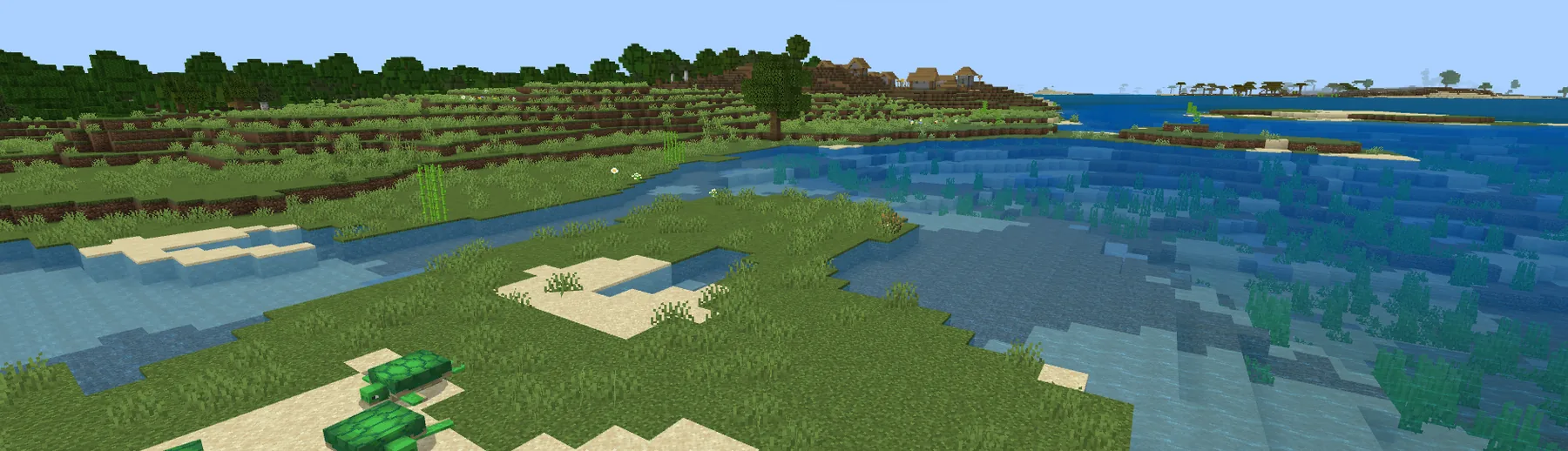
Wide scenic Minecraft landscape — the kind of view that greets you when you spawn into a new world
Jump to:
🏠
Village
🏛️
Stronghold
🏗️
Monument
⛩️
Temple
🏚️
Mansion
X: 0   Z: 0   |   -   |   Seed: -
Overworld — Java 1.21.4

Spawns Found

Sorted by distance from 0,0

Enter a seed to find structures

Save Your World Map

Create a free account to save custom markers, track explored structures, and share your world.

Every Minecraft world has a fixed Spawn Point determined by the seed. The SeedLander Minecraft Spawn Point finder shows you exactly where you will appear when you first load into a new world, letting you evaluate a seed before creating it.

Knowing your Spawn Point helps you plan your early-game strategy. Is there a village nearby? A desert temple within walking distance? What biome will you start in? Enter your seed to find the spawn coordinates on both Java and Bedrock editions, then combine with SeedLander’s structure finders to evaluate any seed comprehensively.

Your spawn biome affects everything about your first hours in a new world. Plains and forest spawns provide immediate access to wood, food, and open building space. Desert spawns challenge you with no wood until you find a village. Jungle spawns offer abundant resources but limited visibility. Snowy spawns introduce freezing mechanics. Choosing the right spawn biome is the first step in picking a seed that matches your playstyle.

For SMP servers, the Spawn Point is even more important because it affects every player. The area around spawn becomes the community hub, the meeting point, and often the most developed area of the world. Using the Minecraft Spawn Point finder alongside structure finders lets server owners evaluate seeds thoroughly and pick one that gives the whole community the best possible start.
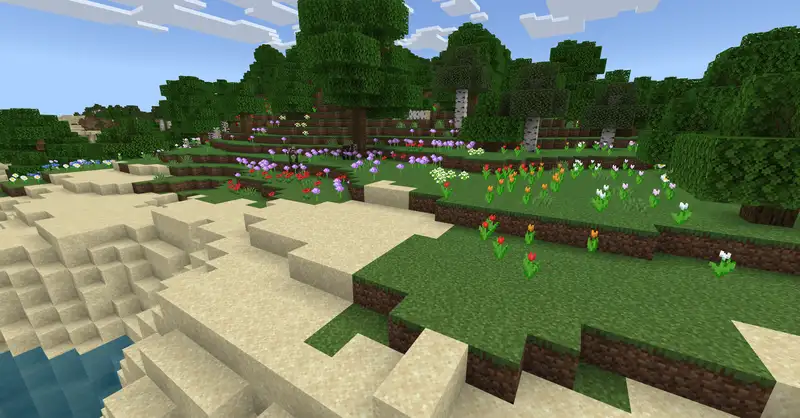
Minecraft Spawn Point finder showing world spawn coordinates on the SeedLander biome map

Frequently Asked Questions

How Spawn Points Work in Minecraft

Your world spawn is the block Minecraft drops you on every time you start a fresh world, and it's also where you'll respawn if you haven't set a bed. That one block of land matters more than it sounds — it determines which biomes you're near, which structures are in easy reach, and whether your first day is a gentle ramble through plains or a cold, panicked sprint through taiga.

The finder above shows your seed's exact spawn coordinates, the biome beneath it, and the nearest useful structures. Useful if you're world-shopping for a good seed, if you want to plan a base before you load in, or if you're trying to understand why one of your friends started next to a jungle while you ended up on a mushroom island. Once you know the spawn coordinates, the full Seed Map lets you scout the surrounding biomes and structures from spawn outward.

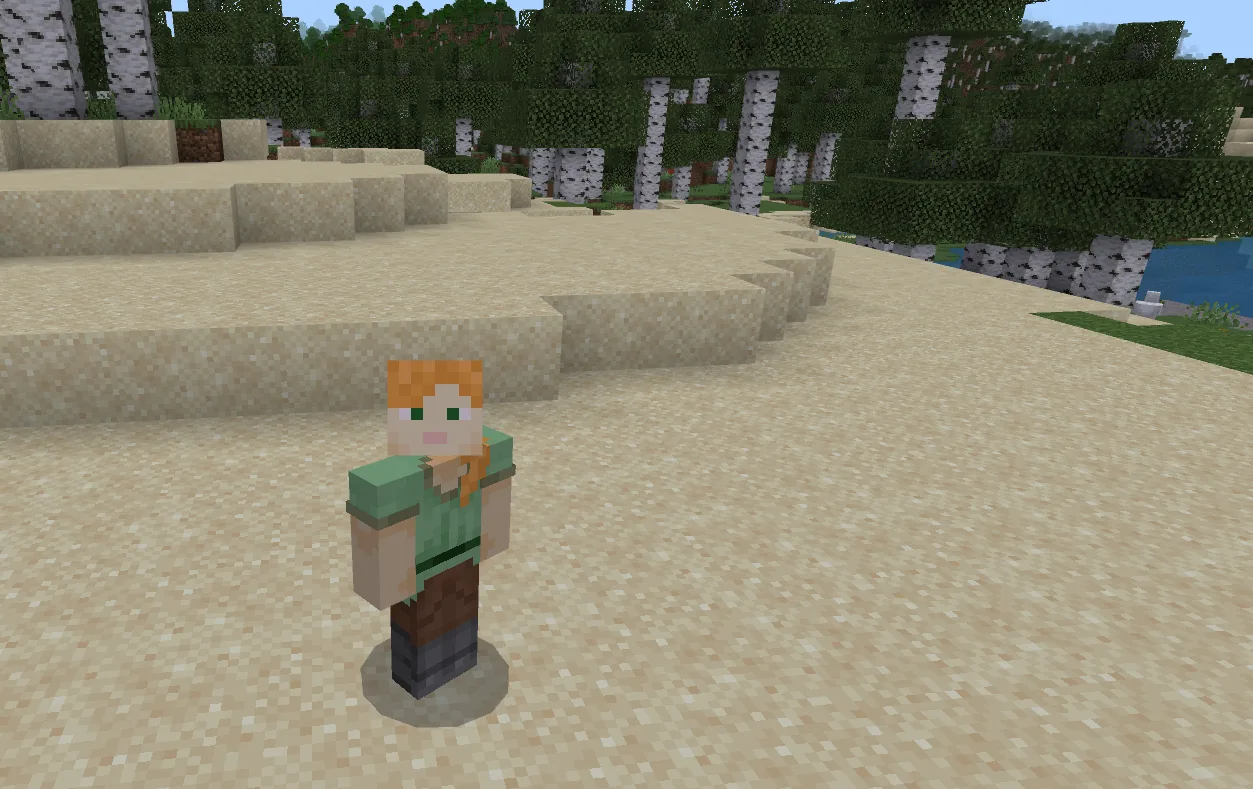
A Minecraft player standing on a beach near their world spawn point
The view from spawn — the SeedLander finder tells you the exact X/Z coordinate before you even load the world.

What Makes a Good Spawn

Not every spawn is equal. Here's what to look for when you're evaluating a seed — or deciding whether to stay put or travel a bit before building your first home.

  • Friendly biomePlains, forest, savanna and taiga are all comfortable starting biomes. You get trees nearby for wood, grass cover for food animals, and mostly flat ground that's easy to build on.
  • A nearby villageA village within a couple of hundred blocks turns any spawn into a brilliant opening hand. You get instant beds to set your respawn, crop farms to harvest, an iron golem already on patrol, and a hall full of villagers to start trading with.
  • Variety within walking distanceMultiple biomes nearby means quicker access to different wood types, animals, and ores. The biome map makes this easy to spot.
  • Surface featuresA nearby ruined portal gets you cheap obsidian for an early Nether trip, and a shipwreck on a nearby shore usually carries a treasure map you can follow to a guaranteed Heart of the Sea. Both are worth keeping within easy range of your home base.
  • Watch out forMushroom fields look idyllic and never spawn hostile mobs, but they have nothing to build with and no animals to farm. Deep ocean is the obvious bad spawn — you'll drown before you even finish your first wooden tools. Ice spikes is pretty to look at but cold, low on food, and surprisingly hard to navigate.

The First Ten Minutes

Spawning in isn't about doing anything clever — it's about getting safe before night one. This is the no-frills list that works for nearly every biome.

  1. Punch a tree, craft planks and sticks, then make a wooden pickaxe. Hold left-click on any tree trunk to break the wood blocks. Open your inventory (E) and craft logs into planks (4 per log), then craft planks into sticks (2 per stick). A wooden pickaxe needs 3 planks across the top of a crafting table and 2 sticks down the middle. You can't mine stone with bare hands or a sword, so the wooden pickaxe is the absolute first step.
  2. Mine six cobblestone blocks and upgrade to stone tools. A stone pickaxe and stone sword each cost 3 cobble plus 2 sticks, and stone tools mine and hit twice as fast as wooden ones. While you're mining, look out for veins of black-speckled coal ore — coal plus a stick crafts torches, and torches are how you push back the darkness that lets monsters spawn around your base.
  3. Hunt cows, sheep, pigs and chickens for food and supplies. Hit any animal with a sword to harvest meat (and leather from cows, feathers from chickens, wool from sheep). Three wool of any colour plus three planks crafts a Bed — and sleeping in a bed at night both skips to morning and sets your respawn point at the bed itself. That single craft removes 90% of the danger from early survival.
  4. Use the finder above to scout the area before nightfall. If a Village pin sits within 200 blocks, head straight there — beds are already crafted, crops are already growing and an iron golem patrols the streets. A Ruined Portal nearby gets you free obsidian for an early Nether trip, and a Shipwreck on the coast usually carries a treasure map. Knowing what's in walking range turns aimless wandering into a clear plan for the first day.
  5. If you can't reach proper shelter, dig a hole in a hillside. Mine a 1-block-wide, 2-block-tall hole straight into any hillside or mountain face, then place a dirt block to seal the entrance behind you. You can spend the night mining downwards looking for ores, or simply stand still until morning. It's not glamorous but it's perfectly safe — mobs can't spawn inside enclosed spaces and they can't reach you through a single block of dirt.

How to set your own spawn point

Once you've survived the first day, you'll want to move your spawn to somewhere useful. Sleeping in a bed sets your spawn to that bed's position — simple and reliable. The original world spawn still matters, though: if someone dies without a bed set, or if their bed is broken, they respawn at world spawn, not at the last bed. Keep the world spawn lit, fenced, and free of mob-spawning surfaces, especially if you're playing with friends.

On Bedrock, there's a small quirk: your spawn locks to the nearest bed when you sleep, but if that bed is destroyed, the game respawns you nearby rather than at world spawn. On Java, a broken bed sends you to the exact world spawn coordinates every time. Worth knowing if you're building a communal nether hub and want to decide where respawn traffic goes.

Plan your base from the start

Creating a Free World on SeedLander shows every Spawn Point across a wide radius in your seed. You can also add custom markers and portals for the spots that matter to you.

Premium World (£1.99/mo per world, first 14 days free) lets you pin your home coordinates and keep a checklist of the first structures to hit, add unlimited custom map markers and portals, and share routes with your team mates (with our team addon).